
Hunger Marketing 饥饿营销
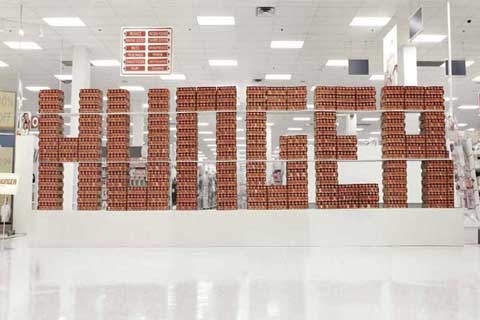
Hunger marketing is a promotional strategy that plays on people's desire to get something others badly want as well. It drums up attention for new products and apparently limits supplies, making buyers think it is harder to get the product than is actually the case. Hunger marketing works only when potential buyers cannot easily find substitutes. It often allows the producer to charge a higher price than previously advertised because of the strong demand, but it runs the risk of creating a backlash should customers learn they were ill-informed about shortages and walk away. A firm’s reputation may also be hurt if its hunger marketing keeps buyers waiting but a product turns out to be disappointing. Property developers, smartphone makers and auto sellers have been known to use hunger marketing to promote sales.
饥饿营销是促销战略的一种,利用众人争抢的心理推广产品。它先是为产品的发行造足声势,再人为的限制供应,造成供不应求的假象,引起更多人的兴趣。饥饿营销只对难以找到替代物的商品起作用。使用饥饿营销,商家可以假托需求过于强劲,提高售价。它的危险在于引起顾客反感。当人们发现实际情况并不如商家所说时,他们也许会径直走开,或是发现期待已久的商品不如预期,而排斥该品牌和怀疑公司的信誉。房地产开发商,手机制造厂和汽车销售店都曾使用饥饿营销来推广产品。
In the News
Xiaomi Inc., which makes smartphones that run a modified Android system, surpassed Huawei Technologies Co. Ltd. to become the world’s third largest smartphone seller in terms of units sold in the third quarter, says Wang Yang, director of research at data provider iSuppli Corp. This puts Xiaomi behind only Apple Inc. and Samsung Group. Some critics charge Xiaomi with employing a hunger marketing strategy, but the firm’s founder and CEO, Lei Jun, has denied intentionally limiting supplies.
 |
更多专业新闻英语资讯抢先看,请订阅我们的微信公众号“caixinenglish”。



 【音频】洱海治污 如何发力?


 京公网安备 11010502034662号